
Al Ulbrickson's Olympic Gamble
The Boys in the BoatThis thread traces Al Ulbrickson's high-stakes coaching campaign and the decisions that shape Washington's Olympic crew.
increasing Bearing strength in each event
 decreasing
Bearing strength in each eventdecreasingA Coach Built by Washington
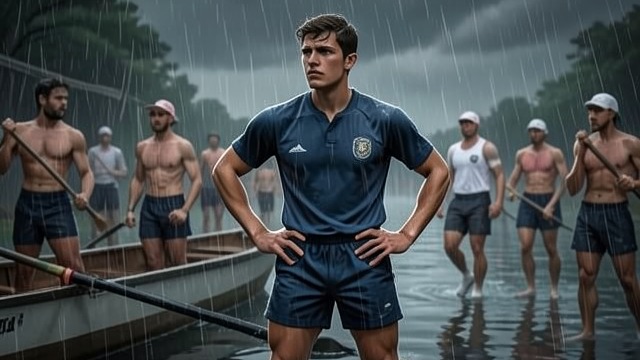
Becoming the Head Coach
Formation
Al Ulbrickson grows up near the Montlake rowing program and earns his place as an accomplished Washington oarsman. The university hires him as a coach soon after he graduates.
Ambition
He approaches rowing with discipline and precision, but his reserve conceals a deep desire to bring Washington to the Olympics. The failures of earlier seasons make that ambition personal.
Recognizing Freshman Potential
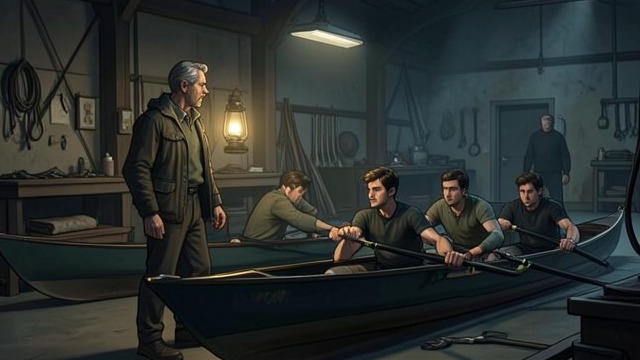
A Long View
Assessment
Ulbrickson watches Joe Rantz, Roger Morris, and the freshman crew develop under Tom Bolles. Their strength and victory at Poughkeepsie suggest a foundation that could mature into an Olympic lineup.
Restraint
He does not tell the boys how high his expectations are. He wants them to improve without mistaking early success for proof that the ultimate goal is already theirs.
Publicly Naming the Goal
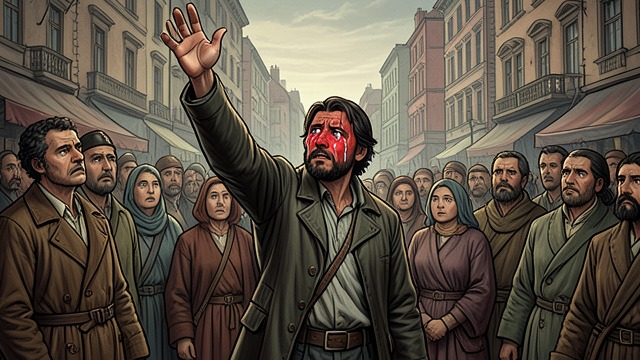
The Berlin Pledge
Declaration
Ulbrickson tells the shell house that Washington’s objective is Olympic gold. His unusually emotional announcement changes the season from ordinary competition into a public campaign.
Personal Risk
The declaration raises expectations across Seattle and among the university’s supporters. Ulbrickson knows that failure may damage both his standing and the program he has spent years building.
A Season of Reversals
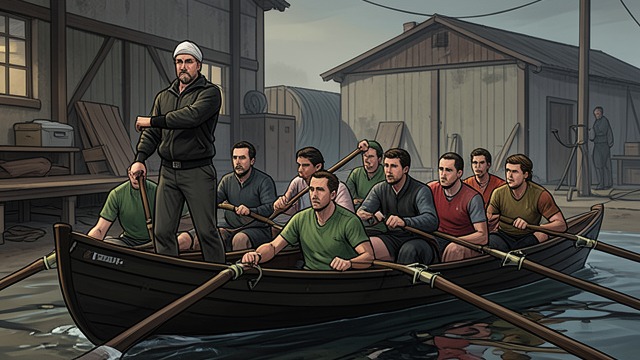
Searching for the Crew
Doubt
Ulbrickson promotes and demotes Joe’s sophomore boat as it alternates between impressive wins and poor performances. The team’s individual quality does not reliably become collective speed.
Decision
After a difficult Poughkeepsie season, Ulbrickson must endure criticism and uncertainty about his future. He keeps his position and returns determined to make the Olympic year count.
Trusting the Final Crew
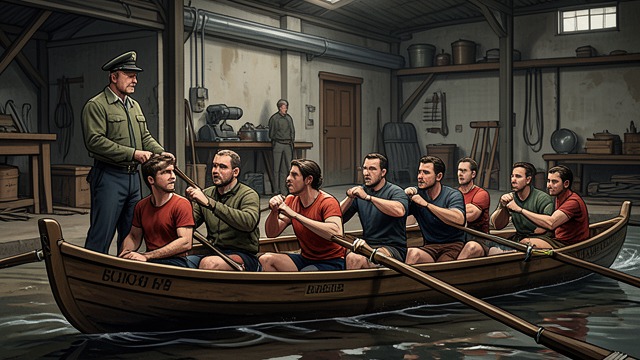
From Judgment to Victory
Selection
Ulbrickson’s decisions, including adding Joe to the top boat and keeping Don Hume for the final, carry significant risk. He relies on George Yeoman Pocock’s insights as he tries to shape individual talents into a coherent crew.
Result
After winning the American trials and the Olympic final, Ulbrickson credits heartfelt cooperation. The triumph vindicates his willingness to build the boat around a functioning whole rather than a list of individual stars.
1926–1933
October 1933–June 1934
January 1935
1935
March–August 1936
